
Table of Contents
There was a time when I was doing everything “right” and still making things worse.
I was exercising regularly, pushing hard, checking all the boxes. From the outside, it looked disciplined and healthy. From the inside, my body was breaking down, my stress was climbing, and I kept cycling between injury, recovery, and frustration.
That was the moment I stopped asking how to push harder and started asking a more honest question: how to improve your life without breaking yourself in the process.
How to Improve Your Life Without Burning Out
When people search for how to improve your life, they are usually not looking for theory. They want something that works. Something practical. Something they can actually sustain.
Improving your life is rarely about effort alone. More often, it is about how you apply effort over time.
That distinction took me years to learn.
Why So Many Attempts to Improve Life Don’t Last
Most attempts to improve life fail for a simple reason. They rely on intensity instead of sustainability.
We are often taught that growth looks like:
- Going all in
- Pushing past limits
- Beating your personal best
- Powering through discomfort
That approach can work briefly. Over time, it usually leads to injury, exhaustion, or resentment.
When improvement becomes synonymous with strain, your system eventually pushes back. Motivation fades, not because you do not care, but because the cost becomes too high.
I lived that cycle firsthand.
The Mindset Shift That Changed How I Improve My Life
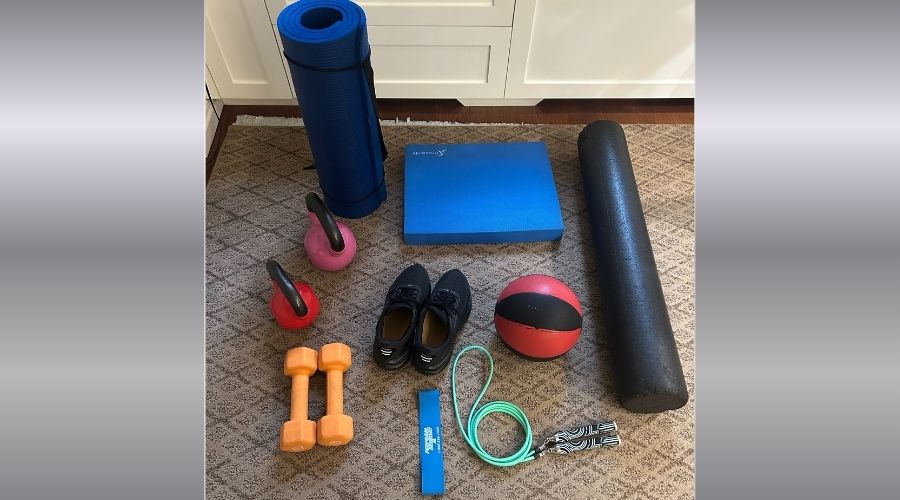
I genuinely enjoy working out. Jogging, rowing, skipping rope, bodyweight exercises, stretching. It supports my physical health, especially my lower back. It helps manage stress. It gives me a sense of momentum and accomplishment.
For a long time, my mindset was simple: push it to the limit.
Sprint harder. Lift heavier. Beat my best time.
The result was predictable. Achilles tendon issues. Hip and shoulder problems. Back flare-ups. I would stop to heal, rush back too soon, and get injured again. Sometimes I kept working out through pain, which only weakened my body instead of strengthening it.
That cycle did not help my physical health or my mental health. It only added stress, especially when I could not do the very thing that helped me feel grounded.
The small change that altered everything was a mindset shift:
Just because I can’t do everything doesn’t mean I should do nothing.
That sentence changed how I approach exercise, recovery, and ultimately how to improve my life as a whole.
Areas of Life to Improve Begin With Awareness
Once I stopped chasing intensity, something surprising happened. By dialing things back, I could show up more often.
Instead of asking, “What is the hardest workout I can do today?” I started asking, “What supports me today?”
That question applies far beyond fitness. It applies to many areas of life to improve, including:
- Energy and health
- Work rhythms
- Stress management
- Recovery and rest
- Your relationship with expectations
Improvement stopped being a performance and became a practice.
Daily Habits to Improve Life Through Sustainability
The impact of that mindset shift was significant, even though the change itself was small.
By choosing sustainability over intensity, I was able to work out almost every day. Last year, I exercised 345 days. I had downtime for illness and travel, but the rhythm held.
Compare that to 2017, when I had to stop running for six months, go through physical therapy, and relearn how to support my body properly.
I still get injured occasionally. I still get sick. The difference now is that I listen earlier, adjust faster, and return in a way that supports what I want long term.
This is what daily habits to improve life actually look like:
- Consistency instead of heroics
- Listening instead of forcing
- Support instead of self-criticism
- Sustainability instead of chasing peaks
These habits are not flashy. They are effective.
Practical Ways to Improve Your Life Without Overhauling Everything
When people ask about ways to improve your life, they often expect dramatic answers. Quit your job. Reinvent yourself. Start over.
Sometimes big decisions are necessary. Often, the most meaningful change comes from smaller, kinder adjustments.
Here are a few principles that tend to stick:
- Do less, more often
- Lower the bar so you can clear it consistently
- Treat recovery as part of progress
- Aim for “supportive today” instead of “perfect someday”
If you are wondering how to improve life in a way that actually lasts, this is a reliable place to begin.
How to Improve My Life Became a Different Question
Over time, I realized the real change was not physical. It was relational.
I stopped relating to improvement as something I had to earn through suffering. I started relating to it as something I could support through care, awareness, and choice.
That mindset now shows up everywhere. In how I work. In how I rest. In how I recover from setbacks. In how I think about growth.
It was a small tweak. It turned out to be life changing.
How to Improve Your Life Starting This Week
If you are asking how to improve your life right now, try this:
Choose one area.
Ask one question: What would support me today?
Take the smallest version of that action.
Repeat.
This is how improvement compounds.
Conclusion: Improvement That Lasts Is Gentle Enough to Repeat
You do not improve your life by constantly riding the edge of your limits. You improve it by creating conditions you can return to again and again.
Small, sustainable changes may not feel dramatic. They feel doable. That is exactly why they work.
A Note From Your NYC Personal Life Coach, Whenever You’re Ready
If something here resonated and you’d like support as you sort through what comes next, I’m here. I’m an online life coach based in New York City, working with people across the United States on mindset, clarity, and joyful personal growth.
Reach me anytime at [email protected].
We can start with a short consultation to help you get clear on one meaningful next step.
Further Reading
If you’d like to explore these ideas a bit more, here are two thoughtful places to continue.
- From my blog: The Burnout to Joy Series – Understanding the Stages of Burnout Recovery and Renewal – An Essential 5 Part Series
A reflective look at how listening to your limits can guide smarter, more sustainable change, rather than pushing harder when something is already strained. - From the bookshelf: Atomic Habits by James Clear
A practical and approachable guide to how small, consistent habits shape long-term outcomes, reinforcing the idea that improvement compounds through sustainability, not intensity.